
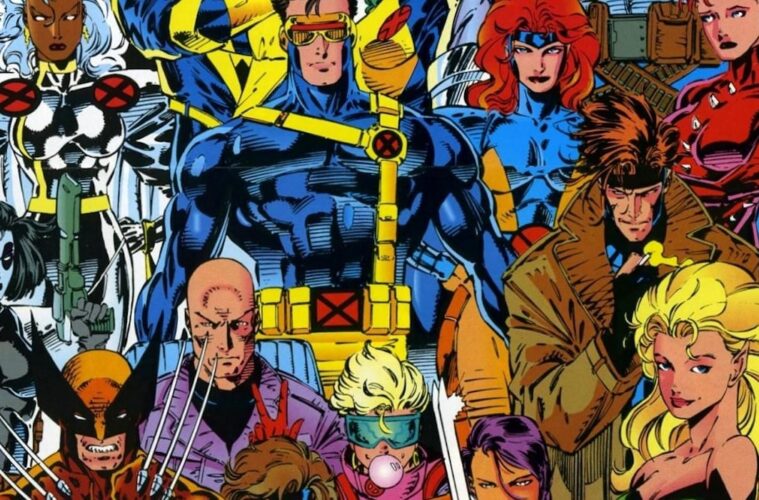
Following our fantastic conversation with author Stuart Moore about Marvel Artist Archive: Jim Lee, Action A Go Go continues its look inside PUG-W’s ambitious celebration of one of comics’ most influential artists. While Moore walked us through the research and storytelling behind documenting Jim Lee’s remarkable Marvel career, this time we’re turning our attention to the editorial vision that helped bring the project together.
Currently rocking and rolling on Kickstarter, Marvel Artist Archive: Jim Lee is the inaugural entry in PUG-W’s new Marvel Artist Archive series. The oversized hardcover explores Lee’s groundbreaking Marvel years through high-quality artwork, rare production material, and new interviews that place his career within the larger story of modern comics. Rather than serving as a simple art collection, the book aims to document how one of the industry’s defining artists evolved—and how his work forever changed superhero comics.
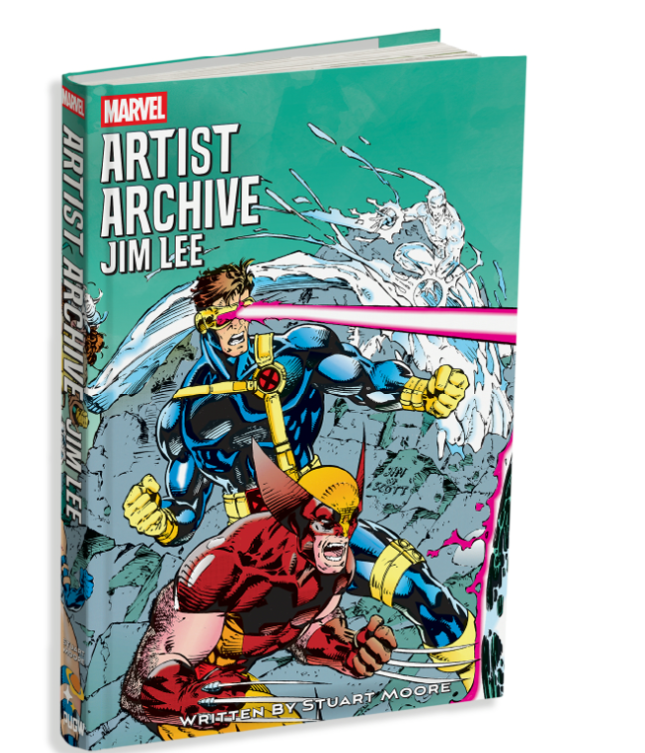
Helping guide that vision is John Barber, Editor-in-Chief of PUG-W. A veteran comics editor and writer, Barber previously spent more than a decade at Marvel before serving as Editor-in-Chief at IDW Publishing, where he oversaw acclaimed titles including Transformers, Star Trek, Teenage Mutant Ninja Turtles, and numerous licensed and creator-driven projects. Today, he works alongside author Stuart Moore, Marvel, and many of Jim Lee’s longtime collaborators to ensure Marvel Artist Archive: Jim Lee is as informative as it is visually stunning.
Action A Go Go recently spoke with Barber about why Jim Lee was the natural choice to launch the series, the challenges of documenting such an influential career, working closely with Marvel throughout the project, and why Lee’s artwork continues to inspire readers and artists more than three decades after it first exploded onto comic shop shelves.
Action A Go Go recently spoke with Barber about launching the Marvel Artist Archive series, working with Marvel, uncovering fascinating pieces of Jim Lee’s history, and why Lee’s artwork continues to resonate with readers around the world.
ACTION A GO GO: What inspired PUG-W to launch the Marvel Artist Archive series with Jim Lee as its inaugural volume?
John Barber: Well, PUG-W CEO John Nee has known Jim Lee forever—their paths were intertwined for years. I think John had wanted to get a book like this rolling when he was at Marvel. At least one of our staff members used to run the Jim Lee Fan Club. We kinda like Jim Lee over here.
Plus, Lee’s one of a handful of creators whose work really changed the shape of superhero comics, and he did this formative work in the pages of one of the best-selling comic books ever. His work reached so many people, was so striking, and so influential. And it’s still striking and influential!
AAGG: When editing a retrospective like this, how do you balance showcasing iconic pieces with highlighting lesser-known work that deserves recognition?
JB: Well, I call Stuart Moore and say, “Hey, Stuart, can you balance showcasing iconic pieces with highlighting lesser-known work that deserves recognition?”
But seriously, that’s part of the trick, absolutely. New interviews throughout the book add fresh context to classic artwork. the book really takes you back to the early 1990s when we were seeing this art, this approach to comics, for the first time
AAGG: Jim Lee’s Marvel career spans everything from Punisher War Journal to Heroes Reborn. How did you decide how to present that evolution?
JB: Stuart came up with a really smart organization that’s mostly chronological and hits all the biggest milestones. Lee’s career almost suggests its own structure—from Alpha Flight to Punisher, then X-Men and everything that entails: Uncanny X-Men, the trading cards, the adjectiveless X-Men, and eventually Heroes Reborn.
But Stuart also includes a lot of unexpected material—the What The…!? issue, the Marvel Age cover, the silent Namor story from Marvel Comics Presents, and even the St. George issue that hints at a completely different career path Jim Lee could have taken. It’s fun seeing not just his evolution, but all the fascinating roads he could have traveled.
AAGG: Were there any particularly challenging pieces to locate or secure for inclusion in the book?
JB: Scott Williams had some fantastic photocopies of Jim’s pencils, which could have been difficult to track down, but thankfully he actually lives nearby.
As a matter of fact, I think some of these issues were drawn at an apartment behind the Denny’s near where I live.
But Stuart really did an incredible amount of legwork finding pages and covers that had compelling stories behind them, or multiple versions that help illustrate Jim’s creative process.
AAGG: Many readers assume an art book is simply a collection of images. What goes into shaping the narrative of an artist’s career?
JB: It’s super-interesting to see how the narrative of Jim Lee’s career did get shaped. You can see the ambition and the skill doing the driving, but it’s also a story of relationships with editors, and trust with collaborators.
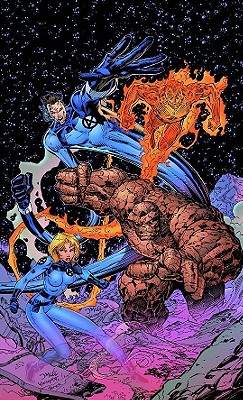
Jim was pretty young when he started, and all this happens in such a short amount of time, he’s still pretty young when he comes back to Fantastic Four! But you see how he’s been through…a lot by then. A lot of artistic growth, and changes in life. For the fans, we just see the art. Under the surface, that was Jim Lee’s life going on.
AAGG: How closely did PUG-W work with Marvel throughout development?
JB: Super closely. We talk with Marvel about everything.
Stuart and I both used to work there, and we both know a lot of the folks there pretty well, so it’s a good, easy collaboration.
AAGG: Jim Lee’s artwork has inspired generations of artists. As an editor, what makes his work so enduring?
JB: There’s a real sense of power to Jim’s artwork—and a really stylish style.
His characters dress cool when they’re out of costume. They live in cool apartments. Everything is elevated a level.
The characters still have problems, but the world itself is slick and fashionable.
Then you crank the fantasy elements up to eleven.
You don’t see Magneto on a computer monitor—you see him on a sixty-foot screen with giant trellises. Villains don’t drive Jeeps. They ride hover bikes.
There’s a fun to Jim’s work. It’s not bound by cinematic realism, it’s bigger than life, and I think that resonates with people. It certainly resonates with me!
AAGG: Without giving too much away, does PUG-W already have future artists in mind for the Marvel Artist Archive series?
JB: Definitely. Stay tuned.
AAGG: PUG-W has assembled an impressive roster of creators and editors. What’s the long-term vision for the company?
JB: Right now we’re focused on making the very best books we possibly can and getting them into readers’ hands.
We love this stuff, and we want to get the stuff in the hands of everybody who loves these comics—or wants to learn about these comics—too.
AAGG: What do you hope longtime Jim Lee fans—and readers discovering his work for the first time—take away from this collection?
JB: To me the thing I keep coming back to is that there are some things Jim Lee brought to super hero comics that have become part of the normal comics lexicon. And seeing his career bloom, and reading about how he goes from getting his foot in the door to being on the best-selling comic of all time, it lets you see Lee’s innovations for the first time again. It takes you back to the world when this was all brand new, and it reminds you how amazing Jim Lee’s art was—and is!
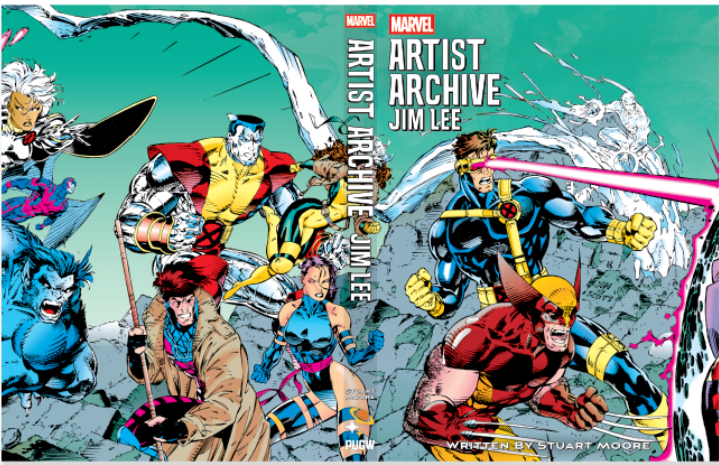
One of the most enjoyable aspects of interviewing Stuart Moore and now John Barber is the tremendous nostalgia I feel for this era of comics, and how it manages to feel new again with this book. Throughout our conversation, Barber repeatedly returned to the idea that Marvel Artist Archive: Jim Lee isn’t simply a gallery of beautiful artwork, it’s the story of an artist’s evolution, the collaborators who helped shape that journey, and the creative risks that forever changed comics.
Whether you’re someone who picked up X-Men #1 off the spinner rack in 1991 or you’re only now discovering why Jim Lee remains one of the industry’s most celebrated artists, Barber’s enthusiasm makes it clear that this project is designed to deepen that appreciation. If our conversations with Stuart Moore and John Barber are any indication, Marvel Artist Archive: Jim Lee is shaping up to be more than a retrospective. It’s a deep dive into one of comics’ defining creative legacies, told by the people who understand that legacy best.
As of time of publishing the KICKSTARER is now live for this project, and can be viewed here!